How AI Is Transforming Dental Crown Design and Planning
A dental crown used to mean two appointments, a mouthful of putty, and a temporary crown that could loosen or break while you waited for the real one. For many patients, that experience is changing.
10 August 2026

Table of Contents
Digital scanners, computer-aided design (CAD), and artificial intelligence are now part of crown planning in many practices. Software can suggest a crown shape in moments, and can design and make a crown in a single visit.
This guide explains how digital crown design works, where AI helps, where it does not, and what to ask your dentist. It is general information only and does not replace an assessment by a dentist.
What a Dental Crown Does
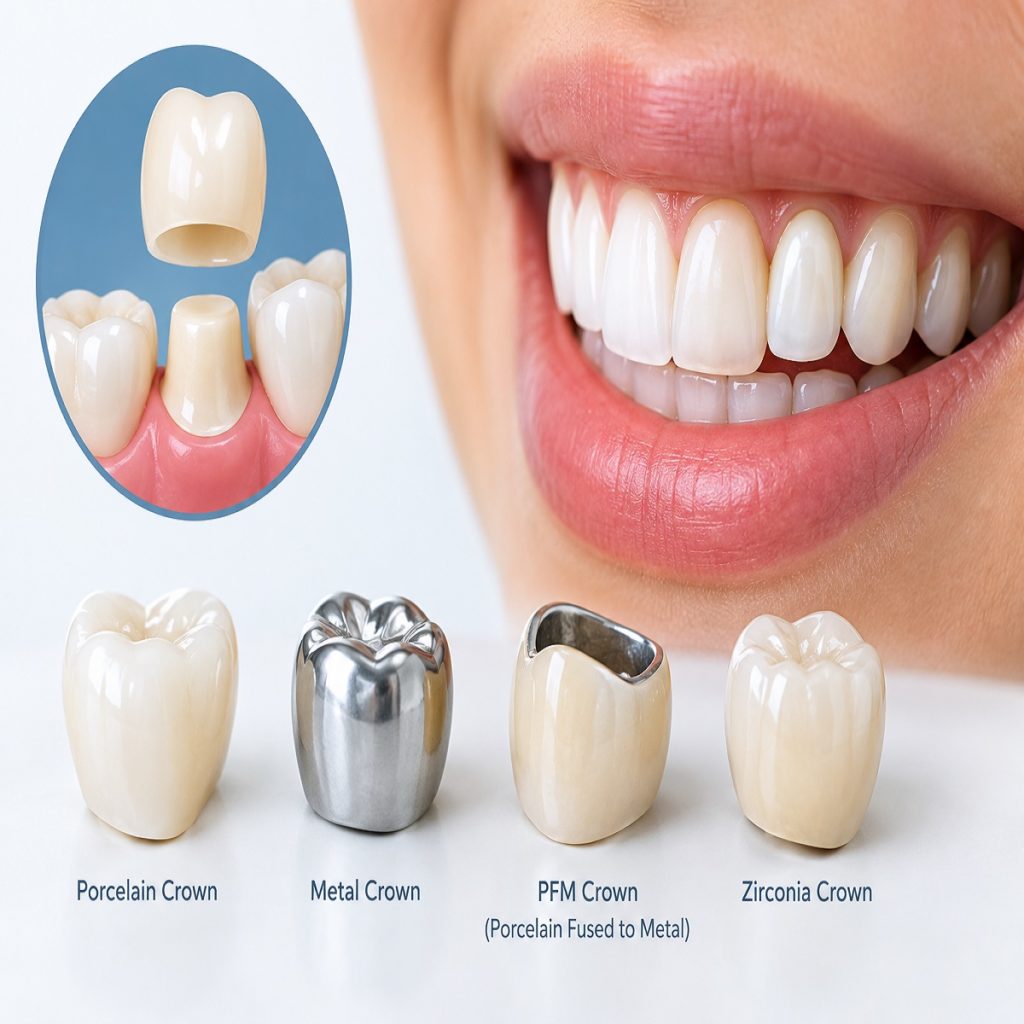
A crown is a custom-made cap that shapes a tooth to restore its shape, strength, and appearance. Dentists commonly recommend crowns for:
- Teeth weakened by large fillings or decay
- Cracked or worn teeth
- Teeth after root canal treatment
- Protecting a tooth that has been heavily restored
- Covering a dental implant
- Improving the look of a misshapen or discoloured tooth
A good crown must fit the prepared tooth precisely, match your bite, blend with neighbouring teeth, and be easy to keep clean. That is a lot of detail, which is where digital tools come in.
From Impressions to Digital Scans
The traditional approach
Conventional crowns use a physical impression, which is sent to a dental laboratory. A technician builds the crown by hand or with milling equipment, and it comes back days or weeks later.
Intraoral scanning
Many practices now use a handheld intraoral scanner. It clicks thousands of images of the prepared tooth, and builds a 3D model within minutes.
Benefits include:
- Immediate checking: The dentist can see whether the margins of the preparation are clear and re-scan any unclear area straight away
- Easy sharing: The file can be sent electronically to a lab or to in-house milling equipment
- Accurate records: Scans can be stored and compared over time
A scan is only as good as the preparation underneath it. Clean margins, good isolation, and careful technique still matter.
Where AI Comes In
AI is increasingly built into this software. Depending on the system, it may help with:
- Automatic margin detection: It suggests the edge line, which the dentist checks and corrects
- Tooth shape prediction: Trained on many natural teeth, the software proposes a shape that fits your mouth
- Bite and contact optimisation: The design is adjusted so the crown meets opposing teeth and neighbours appropriately
- Fast first drafts: What once took technicians many minutes of manual shaping can appear in seconds
- Quality checks: Flags for areas that may be too thin or too tall
- Workflow support: AI repetitive steps so dentists and technicians can focus on detail
Questions to Ask Your Dentist
- What material do you recommend for my tooth, and why?
- Is a same-day crown suitable for me, or is a lab-made crown better?
- How long should it last, and what could shorten its life?
- What happens if the fit or bite needs adjusting?
- Is there a warranty or remake policy?
- What does the quote include, such as scans, materials, and follow-up?
- How should I care for the crown?
Caring for Your Crown
- Brush twice daily with fluoride toothpaste and clean between teeth every day
- Pay attention to the gumline, where decay can start at the crown’s edge
- Avoid chewing ice, hard lollies, or opening packets with your teeth
- Attend regular check-ups, so problems are caught early
END-UP WITH,
AI and digital technology are changing the way dental caps for teeth are designed and planned. Digital scanners can replace traditional impressions, while computer-aided design (CAD) software helps create a crown that fits the tooth. AI can also speed up certain steps in the process and support more consistent results. However, a successful crown still depends on proper tooth preparation, choosing the right material, checking the bite carefully, and having an experienced dentist review the final design.
If you need a dental crown, ask your dentist how digital tools are used during treatment and who checks the final result. Clear explanations and careful planning can help you feel more confident about your care.
